
"At some point, every small business owner looks at their phone bill and thinks: there has to be a better way."
At some point, every small business owner looks at their phone bill and thinks: there has to be a better way.
If you're still on a Telkom landline — or paying for multiple cell numbers because your team works remotely — there is. It's called VoIP, and South African small businesses have been quietly switching to it for years. Here's everything you need to know before you make the move.
What is VoIP, and how does it work?
VoIP stands for Voice over Internet Protocol. It just means making phone calls over the internet instead of through a traditional phone line.
When you call someone on a VoIP system, your voice is converted into data packets and sent over your internet connection — the same way an email or WhatsApp message travels. On the other end, it's converted back into audio. Done right, the call quality is indistinguishable from a landline. Often better.
The practical upside is that you're no longer tied to copper cables, physical line rentals, or geographic restrictions. Your phone number can ring on a desk phone in your office, on your laptop, or on your team's mobile phones — simultaneously, if you want.
What does business VoIP actually cost in South Africa?
This is usually what clinches it for small business owners.
A traditional Telkom business line costs you a fixed monthly rental before you've made a single call. Add call rates on top — especially for calls to mobile numbers, which are billed at a higher rate — and the monthly bill adds up quickly for a business with regular call volume.
VoIP flips the model. You typically pay a flat monthly fee per user, which includes your number, your calls, and all the features (auto-attendant, call recording, voicemail-to-email, and so on). There's no line rental. No setup fee for a new staff member. No technician callout charge when something changes.
At Othos, pricing is per user per month on a month-to-month basis — no long-term contracts. See current pricing →
For most small businesses we work with, the switch to VoIP reduces their monthly phone costs noticeably. How much depends on your current setup and call volumes, but the direction is almost always the same.
What do you need to get started?
Less than you'd think.
Internet connection: A standard business fibre line is more than enough. VoIP calls use roughly 100kbps per active call — so even a 10Mbps line can handle 50+ simultaneous calls with room to spare. If you're on LTE or have a slower connection, it'll still work, though call quality can vary.
Devices: You have options here. Dedicated VoIP desk phones give you the traditional handset experience and work well for reception desks or high-call-volume roles. But most of your team can just use the softphone app on their laptop or the mobile app on their phone — no hardware required at all.
That's it. No on-site PBX hardware. No cabling. No installation appointment. You sign up, we provision your numbers and extensions, and you're making calls — usually within a day.
VoIP and load shedding: the conversation nobody else is having
Here's the part most VoIP guides don't cover, because most VoIP guides aren't written for South African businesses.
Load shedding is a real operational problem for any business that relies on phone calls. With a traditional phone system, the moment the power goes out, your phones go out with it. Unless you have a very robust UPS — and most small businesses don't — you're unreachable for the duration of the outage.
With VoIP, your phone system lives in the cloud. The servers are in data centres with enterprise-grade backup power. They don't go down in load shedding.
What that means in practice: when Stage 4 hits and your office goes dark, calls to your business number automatically ring through to your team's mobile apps. Your customers still get through. Your sales line still works. Your support team can still answer — from home, from a coffee shop, from wherever they have mobile data.
This isn't a minor feature. For a South African small business, it's arguably the single most important reason to switch.
Features that actually matter for small businesses
VoIP systems come with a long list of features, but here's what makes the real difference day-to-day:
Auto-attendant: "Thank you for calling Othos, press 1 for sales..." — set it up yourself, no IT person needed. Gives even a 3-person business the feel of a larger operation.
Call routing and ring groups: One number rings everyone in the sales team at once. First to answer gets the call. No more missed leads because one person was away from their desk.
Call recording: Every call stored automatically. Useful for quality control, resolving disputes, or training new staff. It's all there when you need it.
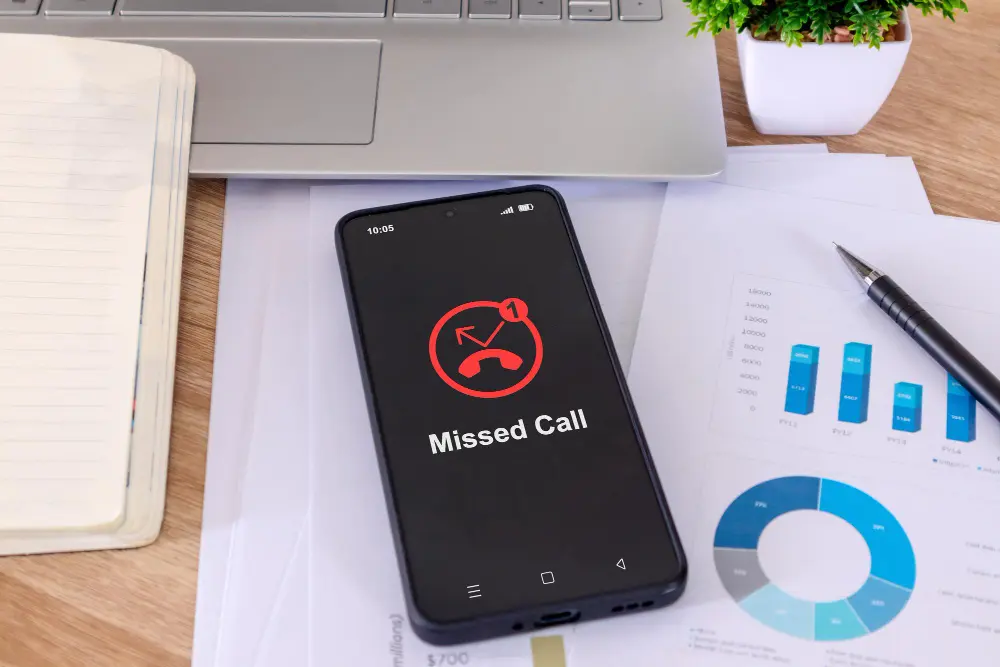
Voicemail to email: Missed calls send a voice note directly to your inbox. You don't have to dial in to check voicemail — it just arrives like any other message.
Mobile app: Your team makes and receives calls using the business number on their personal phones. Customers see your business number on caller ID. Your staff keep their personal numbers private. Everyone wins.
Real-time reporting: See exactly how many calls came in, how many were missed, how long customers waited, and who answered. Actual data to manage your team with.
Questions small business owners ask before switching
Will my existing number transfer over?
Yes. Number porting is standard — you keep your current business number. The process takes a few days and is handled by your new provider.
What happens if my internet goes down?
Calls automatically failover to mobile. You don't miss calls — they just ring somewhere else.
Do I need to buy new phones?
Not necessarily. Many businesses run entirely on softphone apps (laptop and mobile). If you want desk phones, they're available, but they're optional.
Is the call quality as good as a landline?
On a stable fibre connection, yes — and often better. HD voice quality is standard on modern VoIP systems.
What about POPIA and call recording compliance?
A reputable VoIP provider will store recordings securely and give you control over retention periods. It's worth asking any provider you're evaluating about their data handling practices.
Why small businesses choose Othos
We're a South African business ourselves — based in Cape Town, ICASA licensed, and running on AWS infrastructure with the reliability that comes with it. We work primarily with SMEs, which means our pricing, our support, and our setup process are built around businesses like yours — not enterprise clients with IT departments.
Month-to-month contracts. Setup in a day. Support that actually answers.
See our VoIP plans for small business →
Related reading: What Is Cloud PBX? A Plain-English Guide for SA Businesses
Questions? Get in touch →